

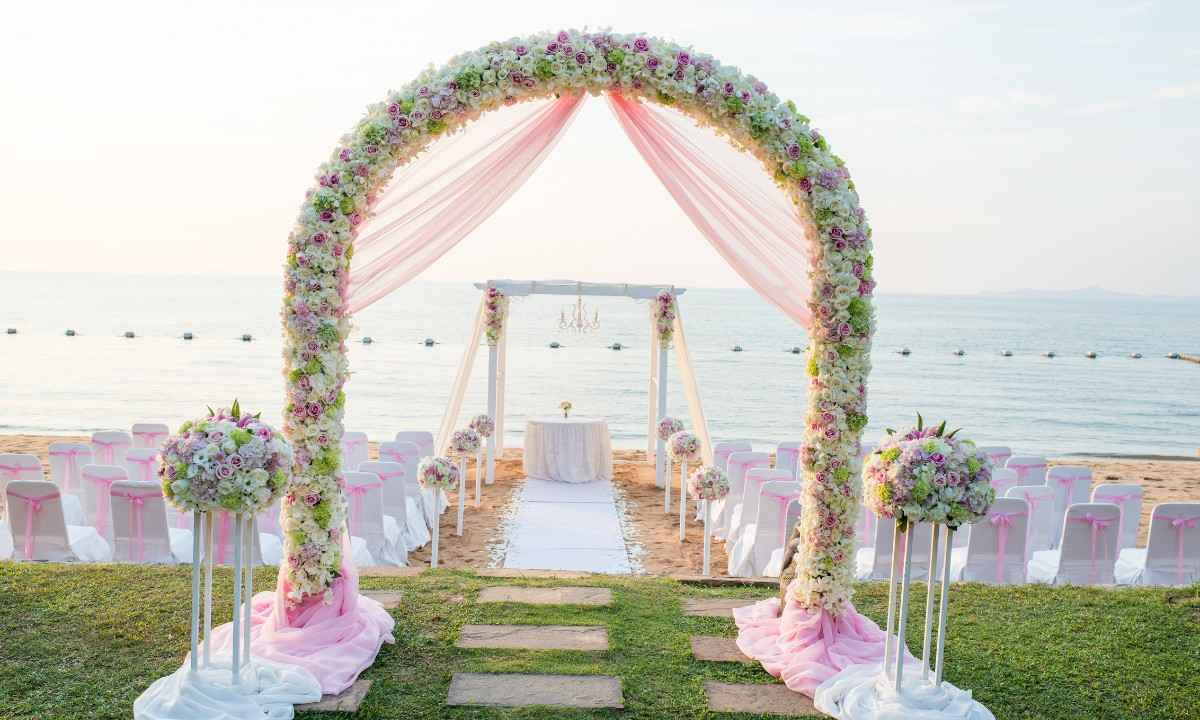
One of the earliest and most important decisions in wedding planning is choosing between an indoor and outdoor setup. Both have their own charm, and both come with practical considerations that go beyond aesthetics. So how do you decide which one is right for your big day? Let’s break down the pros, cons, and factors that should guide your choice.
The Charm of Outdoor Weddings
There’s something magical about exchanging vows under an open sky, with soft lighting, fresh air, and natural greenery as your backdrop. Outdoor weddings tend to feel more relaxed, spacious, and photogenic — perfect for mehendi, haldi, and sangeet functions where energy and movement matter.
Outdoor spaces also naturally accommodate larger crowds without feeling boxed in, and they photograph beautifully in golden-hour light. However, weather is the obvious wildcard. Heat, dust, or unexpected rain can disrupt plans if you don’t have a backup.
The Elegance of Indoor Weddings
Indoor venues offer something outdoor spaces can’t guarantee: predictability. Climate-controlled banquet halls mean your guests stay comfortable regardless of the season, your décor stays intact, and your schedule doesn’t depend on the weather forecast. Indoor settings also allow for more dramatic lighting design, elaborate ceiling installations, and controlled acoustics for speeches and music.
For the main wedding ceremony and reception — moments where you want everything to go exactly as planned — many couples find indoor halls offer greater peace of mind.
Why Not Both?
Here’s the truth: most couples don’t have to choose just one. The best weddings often blend both settings — outdoor lawns for daytime functions like mehendi and haldi, and elegant indoor halls for the evening reception and main ceremony. The challenge is finding a venue that can genuinely deliver both without compromising on quality in either space.
This is exactly where a resort-style property has an edge over a single-format banquet hall. At Parinay Pavilion Resort, couples get access to beautifully landscaped outdoor lawns for their daytime celebrations and sophisticated indoor banquet halls for the more formal functions — all within the same property. There’s no need to book two separate venues or worry about transporting guests and décor between locations.
Factors to Consider Before Deciding
1. Season and Weather If your wedding falls during monsoon or peak summer, lean toward a venue with reliable indoor backup options, even if you love the idea of an outdoor setup.
2. Guest Comfort Elderly guests and young children often struggle with prolonged outdoor exposure to heat or humidity. A hybrid venue lets you plan outdoor functions during cooler hours and shift indoors when needed.
3. Décor Vision Think about the mood you want. Outdoor spaces suit rustic, floral, and boho themes beautifully, while indoor halls are ideal for grand, opulent, chandelier-lit setups.
4. Photography Style If natural light photography is a priority, outdoor functions in the morning or late afternoon are unbeatable. If you want cinematic, dramatically lit reception photos, indoor venues offer more creative control.
5. Flexibility on the Day Even the best-planned outdoor event needs a backup plan. Ask your venue directly: if it rains, what’s the alternative? A property like Parinay Pavilion Resort removes this anxiety entirely, since your indoor halls are already part of the same booking — ready to go at a moment’s notice.
Final Thoughts
There’s no universally “better” option between indoor and outdoor weddings — it comes down to your priorities, the season, and how much flexibility you want built into your big day. If you’re torn between the two, the smartest solution is choosing a venue that offers both seamlessly.
Parinay Pavilion Resort was designed with exactly this flexibility in mind — sprawling outdoor lawns paired with elegant indoor banquet spaces, so you never have to compromise on your vision, no matter which functions call for which setting. Schedule a visit and see both spaces for yourself before you decide.